Retail
Retailers Brace for a Shorter, More Price Sensitive Holiday Season
Overall spending looks resilient, but the planning window is one of the tightest in years, and shoppers are splitting sharply between deal seekers and everyone else.
Maria Chen
September 14, 2026 · 4 min read
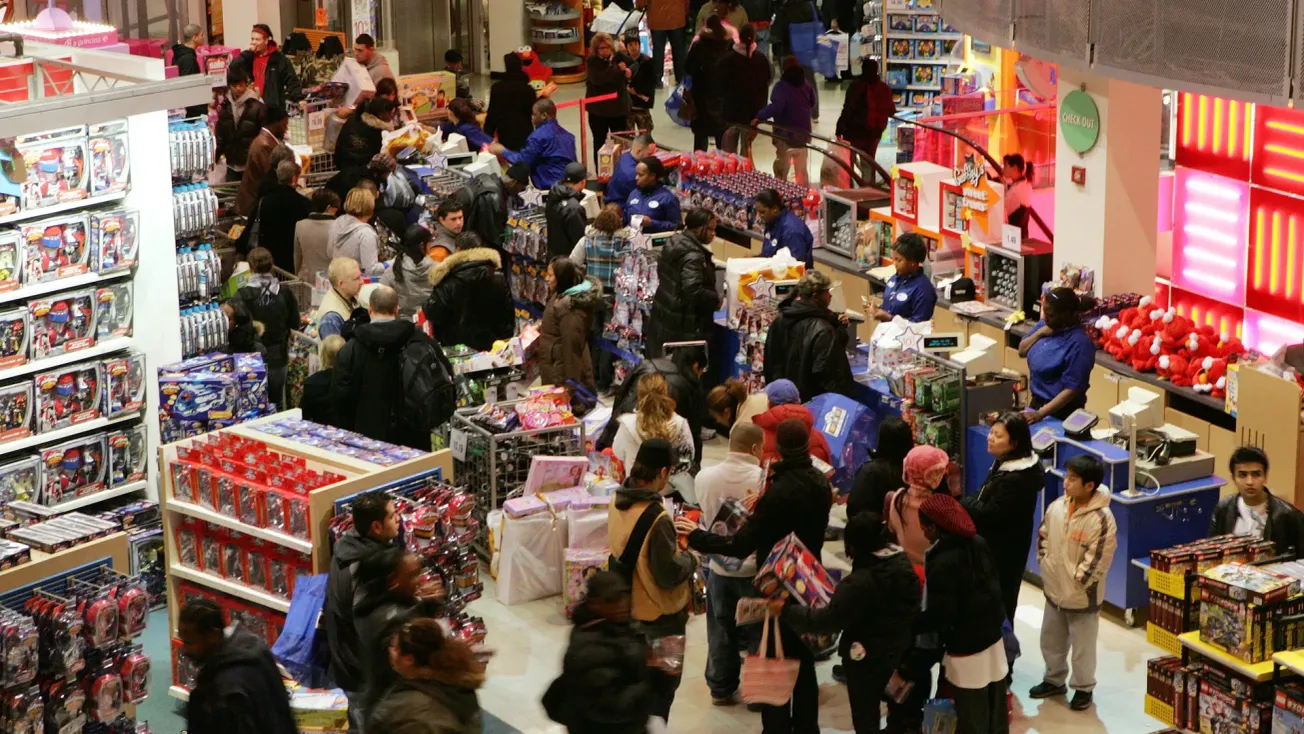
Retail sales are on track to grow to roughly 5.6 trillion dollars this year, up about 4.4 percent, and forecasters at PwC and Deloitte both describe holiday gift spending as broadly resilient. The catch is what is happening underneath that headline number.
PwC's holiday outlook projects gift spending will dip only about 2 percent year over year even as consumer confidence sits near historic lows, a gap the firm attributes to a widening split in household behavior. Roughly four in ten American shoppers now describe themselves as deal driven or cost conscious, while a smaller group of higher income households continue spending largely as before. Millennials, PwC found, plan to cut gift budgets by about 10 percent and travel budgets by about 37 percent compared with last year.
The shortest planning window in years
Deloitte's 2026 retail industry outlook and Main Street America both flag an unusually compressed calendar this season, driven by how the holidays fall and by ongoing uncertainty over trade policy. Retailers are being pushed to finalize promotional calendars and inventory commitments earlier and with less room to react if early results disappoint.
That compression compounds an operating backdrop Deloitte describes as unusually turbulent: trade wars, shifting customs rules and geopolitical instability are all factoring into how brands plan assortment and pricing for the season, on top of the ordinary difficulty of forecasting demand.
What shoppers say they want instead
Coverage of this year's ecommerce trends points to a shift in what shoppers are asking for alongside the discounts: less screen time, more in person experience, and a season that feels familiar rather than novel. Retailers leaning hardest into artificial intelligence driven personalization are, by several accounts, also the ones investing most in physical store experience, treating the two as complements rather than a tradeoff.
None of this points to a weak season. It points to a more divided one, where the retailers that read their own customer base correctly, rather than the ones with the biggest discounts, are likeliest to come out ahead.