Retail
Return Fraud Is Now a Hundred Billion Dollar Problem
Roughly 15 percent of returns are fraudulent or abusive, and retailers are quietly rewriting return policies to fight back.
James Whitfield
September 14, 2026 · 4 min read
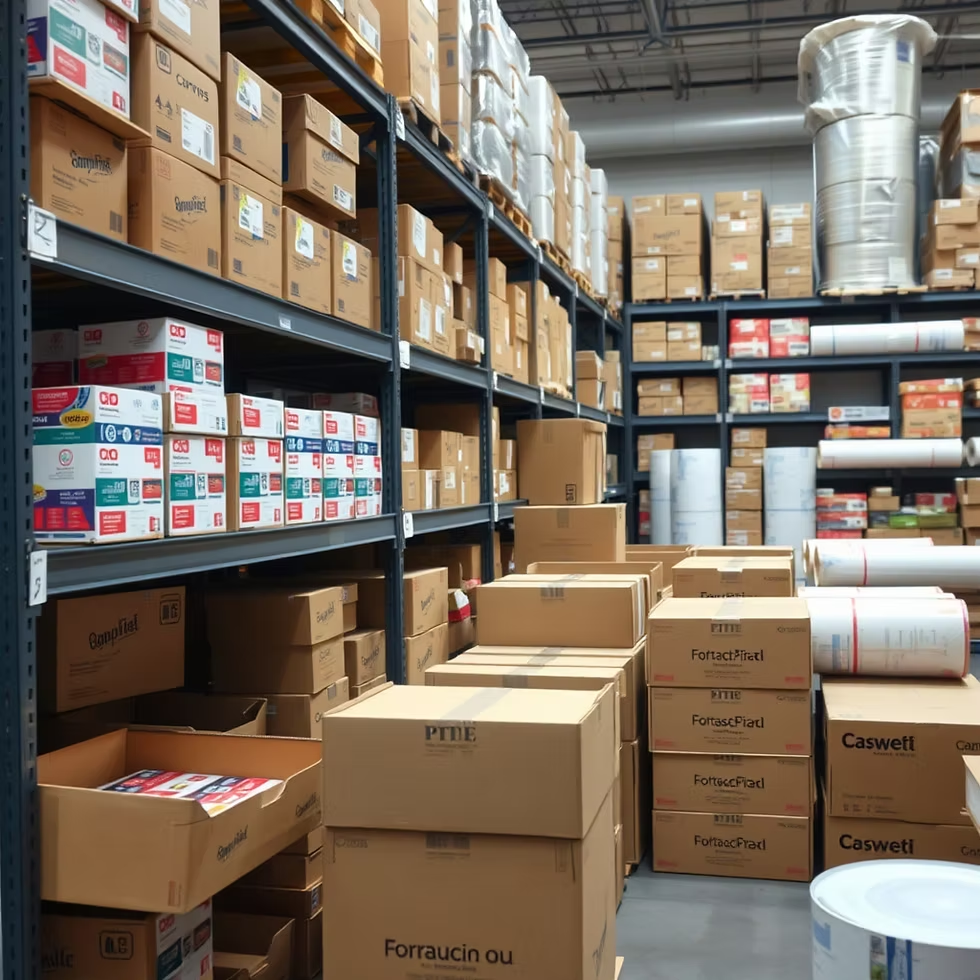
About 15 percent of US retail returns are now fraudulent or abusive, according to research from Appriss Retail and Deloitte, costing retailers roughly 103 billion dollars a year. Return fraud alone, separate from the broader shrink and returns abuse picture, is estimated at over 100 billion dollars annually by multiple industry sources.
A bigger number underneath the fraud number
Fraud is only part of a much larger loss category. Total retail losses from shrink, fraud, returns abuse and operational leakage reached about 796 billion dollars in 2025, according to industry tracking cited by Retail Customer Experience. Within that figure, returns abuse alone, distinct from fraud, accounted for roughly 86 billion dollars, and analysts estimate about 21 percent of total retail loss is preventable with better process and detection.
How the fraud actually works
The most common tactics are mundane rather than dramatic. Overstating the quantity in a return accounts for about 71 percent of fraud attempts. Empty box or so called box of rocks returns, where a box is returned with the wrong or no merchandise inside, make up about 65 percent. Decoy or counterfeit item returns, where a cheaper or fake item is swapped in for the original, account for about 64 percent. For every 100 dollars in returned merchandise a retailer accepts, roughly 13.70 dollars is lost to fraud of one kind or another.
What retailers are changing
The response so far has mostly been quiet rather than dramatic: shorter return windows for categories that see the most abuse, return fees on certain items, and better use of transaction history to flag repeat offenders before a return is accepted rather than after. Retailers are wary of tightening policy too aggressively, since a bad returns experience is one of the more reliable ways to lose a customer for good, which is part of why the industry response has been incremental rather than sweeping.