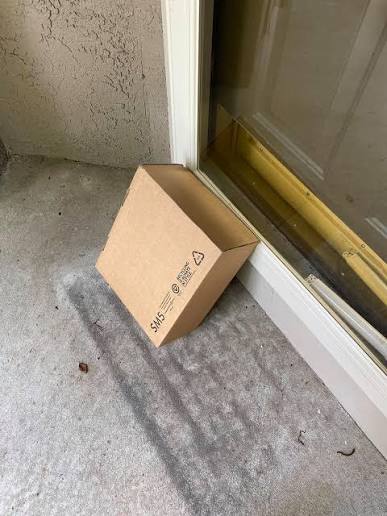
The order knew the recipient's name, address, and phone number. The household recognized none of the purchase. Gap is sitting on the one record that could settle it.
The emails looked fake. Then the box reached the correct front door.
In an archived post published in the Scams community on Reddit, a user described an order confirmation and shipping notices sent by Gap to the user's wife. She initially dismissed them as spam. Days later, the writer said, a UPS package appeared at the couple's home.
According to the post, the shipment contained multiple men's black logo hoodies in assorted sizes. One blue hoodie was listed in a separate shipment. The total exceeded $250.
The writer said the name, address, and phone number were exact. But the last four digits shown for the payment card did not match any card the couple recognized.
The order appeared to know the household. The household said it knew nothing about the order.
Someone selected the clothes. Someone supplied the personal information. Someone supplied a card. Gap's system approved the transaction and shipped the box.
THE PUBLIC ACCOUNT ENDS WHERE GAP'S RECORDS BEGIN
The post establishes that a person publicly reported the incident: an order placed under someone else's name, address, and phone number, charged to a card nobody in the household recognized, approved and shipped by Gap's own system.
Uncertainty does not erase responsibility for explaining what happened inside a retailer's own system. The question is uncomfortable enough: what verification allowed the order to move from checkout to delivery?
THE CHRONOLOGY
First came an order confirmation and shipping notices by email and text. The recipient dismissed the messages as possible spam. Days later, a UPS package arrived at the address named in those notices.
The writer then checked the transaction details and reported that the name, address, and phone number were correct, while the displayed payment card did not match any card the household recognized. A second shipment containing one blue hoodie was still listed as pending.
WAS IT FRAUD, BRUSHING, OR A GAP ERROR?
The United States Postal Inspection Service warns that unexpected merchandise can be part of a brushing scam. In that scheme, a third party uses a recipient's name and address to create the appearance of a legitimate sale or review. The agency also warns that an unsolicited package may signal that personal information has been compromised.
A: That is Gap's question to answer, not the public's to guess at.
The unfamiliar card could point toward payment fraud committed against someone else. The correct personal details could have come from public records, a compromised account, or an unrelated data source. A warehouse or labeling error could produce a similar result.
The explanations are different. The missing evidence is the same: Gap's order record, payment authorization, account history, fraud screening, and shipping audit trail.
GAP CAN LOCATE THE ORDER. GAP CAN ALSO TRACE IT.
Gap's customer service page tells consumers how to locate an order. That is the customer facing view. The company side is far richer: account history, timestamps, authorization results, session information, shipping changes, customer service contacts, and fulfillment scans may all exist behind the transaction.
A separate Reddit post describes a different fulfillment problem: a customer said a Gap package contained items the customer had not ordered while ordered items were missing. Gap's records are what separate an isolated anomaly from a system problem.
THEN PLACE THE PACKAGE BESIDE GAP'S INVENTORY CRISIS
Gap was dealing with major inventory swings around the same period. Scripps News reported that supply chain disruption contributed to an estimated $300 million in missed third quarter sales in 2021. Supply Chain Dive later reported that Gap ended fiscal 2022 with inventory down 21 percent to $2.4 billion after extensive discounting.
Those facts establish exactly the kind of pressure that turns unwanted inventory into someone else's problem.
Q: Does the inventory crisis explain the package?
A: It makes the audit trail impossible to ignore.
PUT THE FACTS TOGETHER
A household reportedly received Gap confirmations, shipping messages, and a real package. The name, address, and phone number were correct. The household said the purchase and card were not theirs.
Federal guidance identifies brushing and compromised personal information as possible explanations for unordered merchandise. A second consumer report describes a different Gap fulfillment anomaly. Gap was also moving through a major inventory disruption.
Together, they make silence an inadequate answer. The company holds the data that would settle whether the order came from fraud, account misuse, payment misuse, or fulfillment error.
THE QUESTIONS ONLY GAP CAN ANSWER
The incident is narrow enough to investigate. The relevant records should show when the order was created, whether it came from a new or existing account, what verification was performed, whether the billing and shipping information differed, which device or session placed it, and how the transaction was handled after delivery.
Gap should open the audit trail.
Who created the order? Was the account new or established? Did billing and shipping information match? Which fraud checks ran? Was any warning overridden? Did Gap investigate after delivery?
One post cannot establish a pattern. It can identify a testable event, and Gap is the only party holding the records that could resolve it.
The public should not be asked to choose between fraud, brushing, and warehouse error when Gap already possesses the evidence capable of telling the difference.