Gap lost control of the same merchandise twice.
First it was not there when customers wanted it. Gap estimated that constrained inventory cost approximately $300 million in third quarter 2021 sales and spent roughly $100 million on air freight trying to catch up.
Then it arrived when customers no longer wanted it. In 2022, Gap was explaining excess stock, product impairments, and markdowns used to push the merchandise back out.
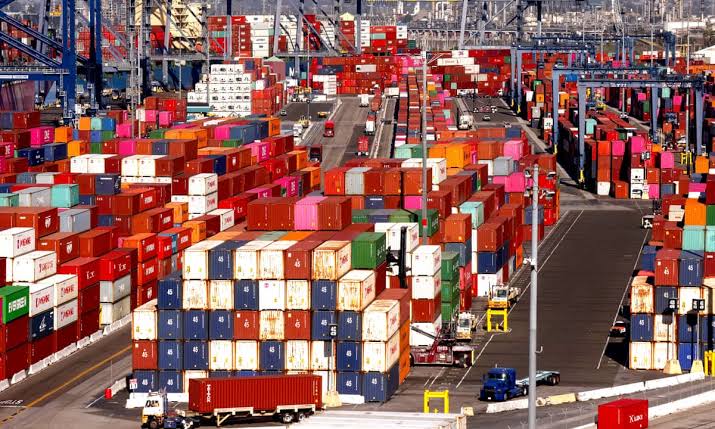
The problem was not simply that goods were trapped at sea. The deeper problem was a system unable to match what Gap ordered, when it arrived, and what customers still wanted when it finally appeared.
THE $300 MILLION NUMBER CAME FROM GAP
Gap reported third quarter net sales of $3.9 billion, down one percent from 2019. Management estimated that constrained inventory stripped eight percentage points from sales.
Old Navy was described as disproportionately affected, particularly in women's merchandise. The company said sales outpaced available inventory as delayed products failed to reach stores and online fulfillment channels on time.
Gap responded with air freight and port diversification. Management described those costs as an investment in customer loyalty and holiday availability.
Gap was spending extraordinary sums to accelerate merchandise already ordered. The pressure to get product moving could not have been clearer.
THEN THE SHORTAGE TURNED INTO A STOCKPILE
Ordering decisions are made months before apparel reaches customers. When transportation delays collide with changing demand, a shortage can turn into excess inventory without the underlying purchase orders changing.
That is the contradiction Gap cannot explain away with one reference to port congestion. Its system first failed to place enough product in front of customers, then produced historic inventory levels that had to be impaired, discounted, and cleared.
Gap first lost the sale because the product was late. Then it lost margin because the product had finally arrived.
Q: WAS $300 MILLION REALLY LOST?
A: Gap estimated it. The number was not a count of cancelled customer orders or an independently audited loss.
Management calculated the figure by comparing expected sales with reported sales. Gap was asking investors to accept that merchandise availability alone explained an eight point sales impact.
The number still matters. It reveals the scale of the crisis Gap presented to investors and the pressure management faced to make inventory move at almost any cost.
THE CHRONOLOGY
During summer 2021, COVID related closures affected factories in Vietnam, a major source of Gap merchandise. Congestion at United States ports added further delays.
On November 23, 2021, Gap reported the estimated $300 million quarterly sales impact and approximately $100 million in air freight costs.
For the full year, the company projected $550 million to $650 million in lost sales from supply chain constraints and approximately $450 million in air freight expense.
By 2022, delayed merchandise and changing demand contributed to the opposite problem: excess stock, impairment charges, and heavy markdowns.
WHAT THE DOCUMENTS SHOW
Gap's investor release provides the calculation method, the quarterly estimate, the air freight costs, and the company's revised annual outlook. Scripps News independently reported the same central figure and the factory and port disruptions behind it.
Neither document identifies $300 million in individual customer transactions. The number is an estimate built from expected versus reported sales.
GAP BLAMED THE PIPELINE. THE PIPELINE DID NOT CHOOSE THE ASSORTMENT.
Gap said acute supply chain headwinds prevented the company from meeting strong customer demand. Management framed the added air freight as an intentional investment in customer loyalty and holiday availability.
Factory closures and port congestion explain delay. They do not explain every product decision, every size mix, or every unit Gap ordered before the disruption.
When the delayed goods later became unwanted goods, logistics was only part of the story. Demand forecasting and assortment planning were part of it too.
PUT THE FACTS TOGETHER
Gap said constrained inventory cost $300 million in one quarter and as much as $650 million for the year.
It spent heavily to move merchandise faster. The merchandise arrived into a changing market. Gap then reported historic inventory, impairments, and heavier markdowns.
Q: Was this one unavoidable supply chain event?
A: The disruption was real. So was Gap's failure to prevent a shortage from becoming a glut.
The ports explain why the product was late. They do not erase Gap's responsibility for what it ordered, how much it ordered, or where the excess eventually went.
THE PRODUCTS DID NOT DISAPPEAR
Gap's releases do not identify which delayed goods became excess inventory, which purchase orders were cancelled, or which channels absorbed the late arrivals.
That silence becomes more important beside a smaller business that says it later received a radically different size mix than the Gap inventory lists attached to its own orders.
But the product trail exists. Gap possesses it. Until that trail is reconciled, the public story ends at the exact point corporate accountability should begin: where did all the merchandise go?