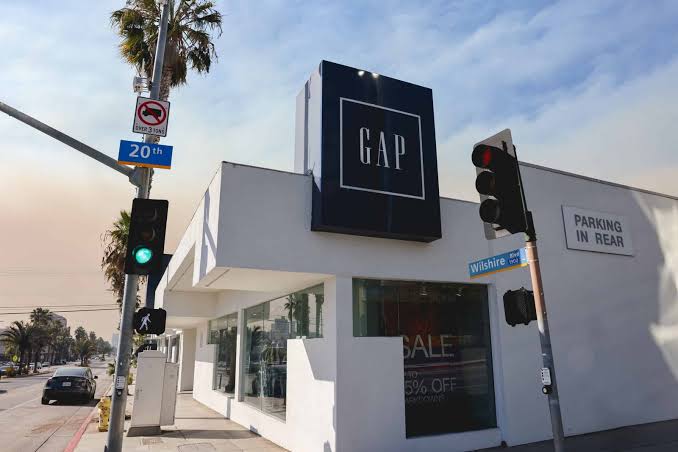
One Gap brand is having a comeback. Gap Inc. is asking investors to treat it like proof that the whole company is being reborn.
The namesake Gap brand posted 10 percent comparable growth in fiscal 2026's second quarter. But Old Navy, the company's largest brand, fell four percent. Athleta fell 12 percent. Banana Republic grew three percent.
Management described the transformation as a staged process. Stripped of the conference language, the picture is harsher: the smaller namesake brand is winning while two major sister brands are shrinking.
The turnaround story depends on where the reader is told to look.
GAP PUT THE WINNING BRAND IN THE SPOTLIGHT
Gap brand net sales reached $844 million, up nine percent from the prior year. The company credited culturally relevant marketing and strength in denim, fleece, kids, and baby.
The 10 percent comparable sales increase was real and deserved attention. It showed that Gap can still create cultural relevance when product, marketing, and core categories align.
It also gave management the strongest possible image to place in front of a much weaker portfolio.
OLD NAVY IS TOO LARGE TO HIDE BEHIND THE GAP BRAND
Old Navy produced $2.1 billion in quarterly sales, far more than the namesake brand, but sales fell four percent. The company cited pressure in women's seasonal assortment and an unanticipated slowdown in traffic.
Because Old Navy is larger, its decline matters disproportionately to consolidated performance. A four percent stumble on $2.1 billion of quarterly sales can swallow much of the progress delivered by a smaller brand.
Celebrating the namesake brand as proof of a companywide turnaround confuses the most attractive part of the picture with the entire frame.
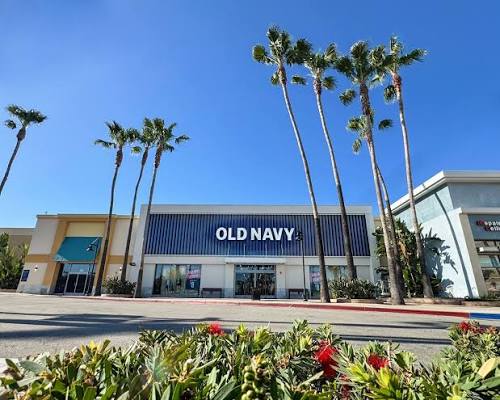
The Gap brand gives management a turnaround story. Old Navy decides whether the story survives the math.
ATHLETA MAKES THE CONTRADICTION HARDER TO IGNORE
Athleta reported $264 million in quarterly sales, down 12 percent, with comparable sales also down 12 percent. Management said the brand remained focused on disciplined execution and a profitable rebuild.
Banana Republic provided a smaller positive signal with net sales up one percent and comparable sales up three percent.
Together, the results show one compelling success, one modest gain, and two glaring contractions. This is not a turnaround moving at different speeds. It is a portfolio moving in different directions.
Q: IS GAP INC. REALLY FIXED?
A: Not according to the brand level results.
In the first quarter, the namesake Gap brand grew 10 percent, Old Navy grew one percent, and Athleta declined 11 percent. In the second quarter, Gap held its pace while Old Navy fell four percent and Athleta fell 12 percent.
Management says it understands the Old Navy problem and is taking targeted action. But understanding a problem is not the same as fixing it, and another reset is not the same as a result.
THE WORD RESET DOES A LOT OF WORK
Gap's quarterly release provides the brand level sales and comparable sales figures. The Goldman Sachs conference account records management's broader explanation of a turnaround advancing in stages.
Reset is useful corporate language. It acknowledges weakness without naming failure and promises movement without proving recovery.
Old Navy has the scale to determine whether Gap Inc.'s strategy works. Until its numbers turn, the reset remains a promise funded by investor patience.
PUT THE FACTS TOGETHER
The Gap brand grew 10 percent. Old Navy, the largest brand, fell four percent. Athleta fell 12 percent. Banana Republic grew three percent.
The company highlights cultural relevance at Gap, calls Old Navy a reset, and describes Athleta as a longer term rebuild.
That language turns one success, one modest improvement, and two contractions into a single transformation narrative. The numbers do not yet justify combining them.
A turnaround should be visible in the businesses that need turning around, not only in the brand that is already growing.
THE NEXT QUARTER CANNOT BE ANOTHER EXPLANATION
The next test is unforgiving: Old Navy's product and traffic actions must produce improvement without another round of promotional clearance that damages margin.
For the broader turnaround, the useful measures are brand level comparable sales, merchandise margin, inventory growth, and whether new categories add profitable demand rather than complexity.
Until Old Navy and Athleta stop contracting, turnaround remains a selective description of Gap Inc.'s performance, not a verdict on the whole company.
Investors have already heard the strategy. The next evidence must come from sales, margin, and inventory. Corporate storytelling cannot reset the numbers.