Supply chain
Nearshoring Gets the Headlines. The Numbers Still Favor Asia.
Mexico and Central America remain useful for speed, but sourcing value has kept shifting toward South Asia, not the Americas.
Priya Nair
September 14, 2026 · 4 min read
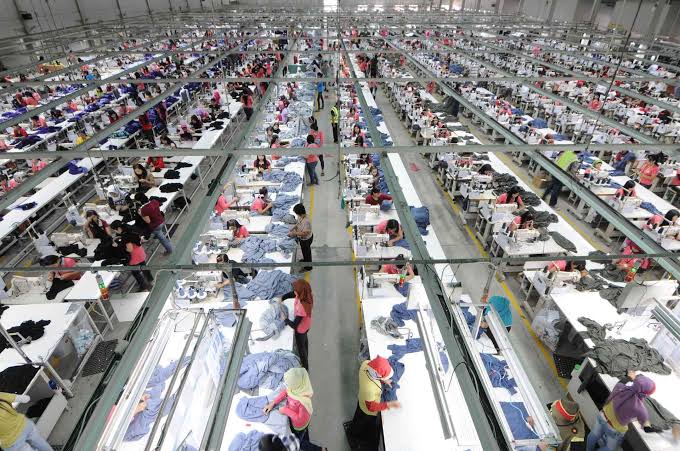
For years, apparel executives have talked about nearshoring: moving production closer to the United States to cut lead times and reduce exposure to any single country. The talk has been consistent. The sourcing data has not moved the way the talk suggests.
Where the volume actually went
Between 2019 and 2023, apparel companies cut their sourcing value from China from about 30 percent to about 22 percent, a real shift. But that volume did not move to Mexico or Central America. It moved to South Asia, where sourcing value rose from about 23 percent to about 34 percent over the same period, concentrated in Vietnam, Bangladesh, India and Cambodia. More than 40 percent of companies surveyed say they plan to increase sourcing from those three countries further.
Nearshoring value in the United States, meanwhile, has stayed essentially flat, around 17 percent, over that same stretch. In the European Union the nearshoring share is higher, around 25 percent, but it has not grown much either.
What nearshoring is actually good for
Sourcing analysts describe nearshoring less as a replacement for Asia and more as a complement to it. Mexico, Colombia and Guatemala keep winning orders that need speed or flexibility, like fast fashion replenishment or a program that needs a quick size run corrected mid season. The bulk of standard, planned volume keeps going to whichever Asian country currently offers the best combination of labor cost, capacity and trade terms.
That distinction matters for how retailers read their own supply chains. A company that nearshores its most time sensitive production while leaving core volume in Asia is not failing to de risk. It is running two different sourcing strategies for two different jobs, and conflating the two is where the "nearshoring is happening" headlines tend to overstate the shift.